10 of the Best Plant Identification Field Guides for the Pacific Northwest
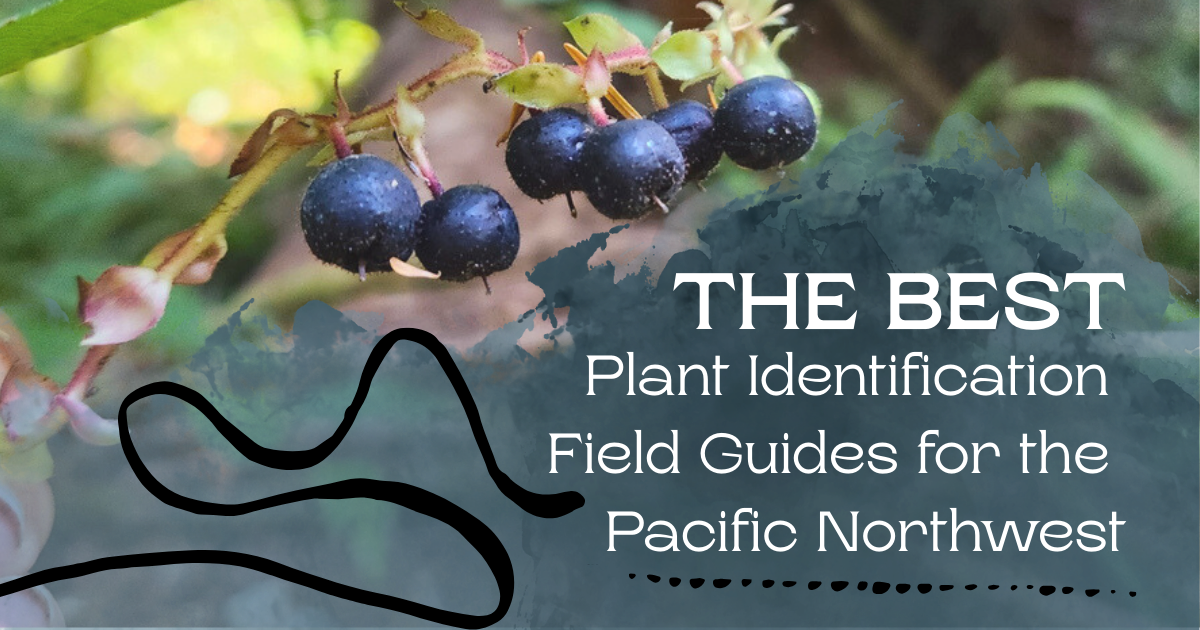
If you want to learn plant identification in the Pacific Northwest, choosing the right field guide makes a huge difference. The forests, wetlands, mountains, and coastal ecosystems of Washington, Oregon, and British Columbia support thousands of plant species. A good Pacific Northwest plant identification guide helps you recognize trees, wildflowers, grasses, mosses, and other plants while exploring the region.
My background is in forest ecology and botany, and for more than a decade, I’ve worked as an educator helping people learn the plants and ecosystems around them. I’ve lived in all four corners of the United States—from desert landscapes to coastal rainforests—which means I know firsthand what it’s like to arrive somewhere new and begin learning the ecology of a place from the ground up.
One of the most meaningful chapters of that journey took place in Mount Vernon, Washington, where I operated a wilderness school and had the privilege of leading foraging apprenticeships, plant walks, and ethnobotany workshops throughout the region. Teaching people how to recognize plants, understand ecosystems, and reconnect with the land has been at the heart of my work ever since.
Whether you’re identifying your first wildflower or deepening your botanical knowledge, I hope these resources help you develop a richer relationship with the landscapes you explore.
These are the plant identification field guides I recommend most often for Washington, Oregon, and British Columbia.
My 3 Favorite Plant Identification Field Guides for the PNW
If you're just getting started learning plants in the Pacific Northwest, these three field guides are the most useful and widely recommended.
Best overall Pacific Northwest plant identification guide
Plants of the Pacific Northwest Coast — Jim Pojar & Andy MacKinnon
A comprehensive field guide covering trees, shrubs, wildflowers, grasses, and many other plants found throughout coastal forests of the Pacific Northwest.
Best wildflower field guide for Washington
Wildflowers of Washington — Mark Turner & Phyllis Gustafson
An excellent photo-based guide featuring more than 800 species of native and naturalized wildflowers across Washington.
Best field guide for trees and shrubs in the Pacific Northwest
Trees and Shrubs of the Pacific Northwest — Mark Turner & Ellen Kuhlmann
A compact and accessible guide focused specifically on identifying woody plants commonly found across Washington and Oregon.
10 Recommended Field Guides for PNW Plants
Below you'll find the best Pacific Northwest plant field guides for beginners, hikers, botanists, and naturalists wanting to learn how to identify plants in Washington, Oregon, and British Columbia’s coastal forests, inland ecosystems, wetlands, trees, wildflowers, and grasses.
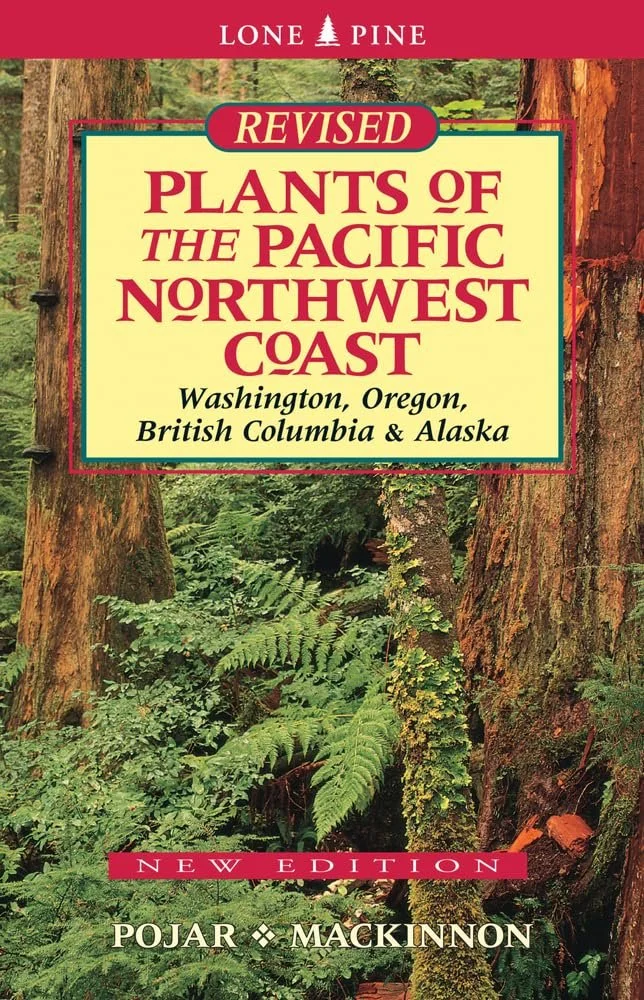
My number one favorite plant ID book for Western Washington and Oregon
1. Plants of the Pacific Northwest Coast
by Jim Pojar & Andy MacKinnon
If you only buy one Pacific Northwest plant field guide, this is the one.
Often simply called “Pojar” (sorry Mackinnon …), this book is the best plant identification guide for coastal forests from northern California to Alaska.
It covers hundreds of species including:
Trees and shrubs
Wildflowers
Ferns and mosses
Aquatic plants
Grasses and sedges
What makes this guide exceptional is its balance of clear illustrations, ecological context, ethnobotanical notes, and accessible descriptions. The organization also makes it surprisingly easy to identify plants in the field.
This book lives in the backpacks of countless naturalists, botanists, and hikers across the Pacific Northwest. I own at least three copies in varying degrees of destruction from rainy days on the trail.
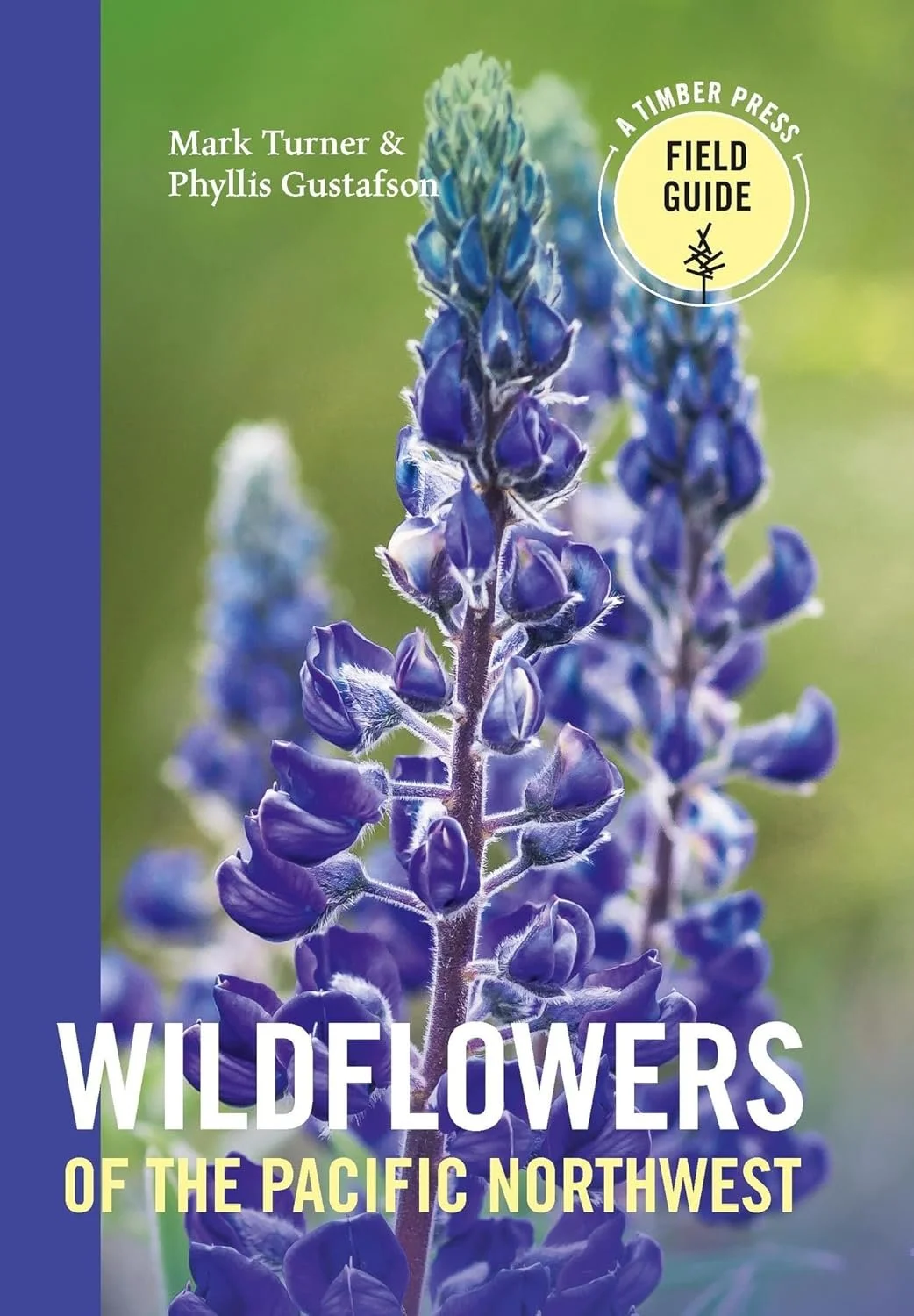
The best book if you want to identify Pacific Northwest wildflowers
2. Wildflowers of the Pacific Northwest
by Mark Turner & Phyllis Gustafson
If wildflowers are your focus, this is one of the best Washington plant identification guides available.
The book covers over 870 species of native and naturalized wildflowers found throughout Washington state.
Inside you'll find:
Detailed plant descriptions
Bright color photographs
Blooming seasons
Habitat information
Range maps
It’s especially helpful for identifying all the pretty wildflowers you find during spring and summer hikes.
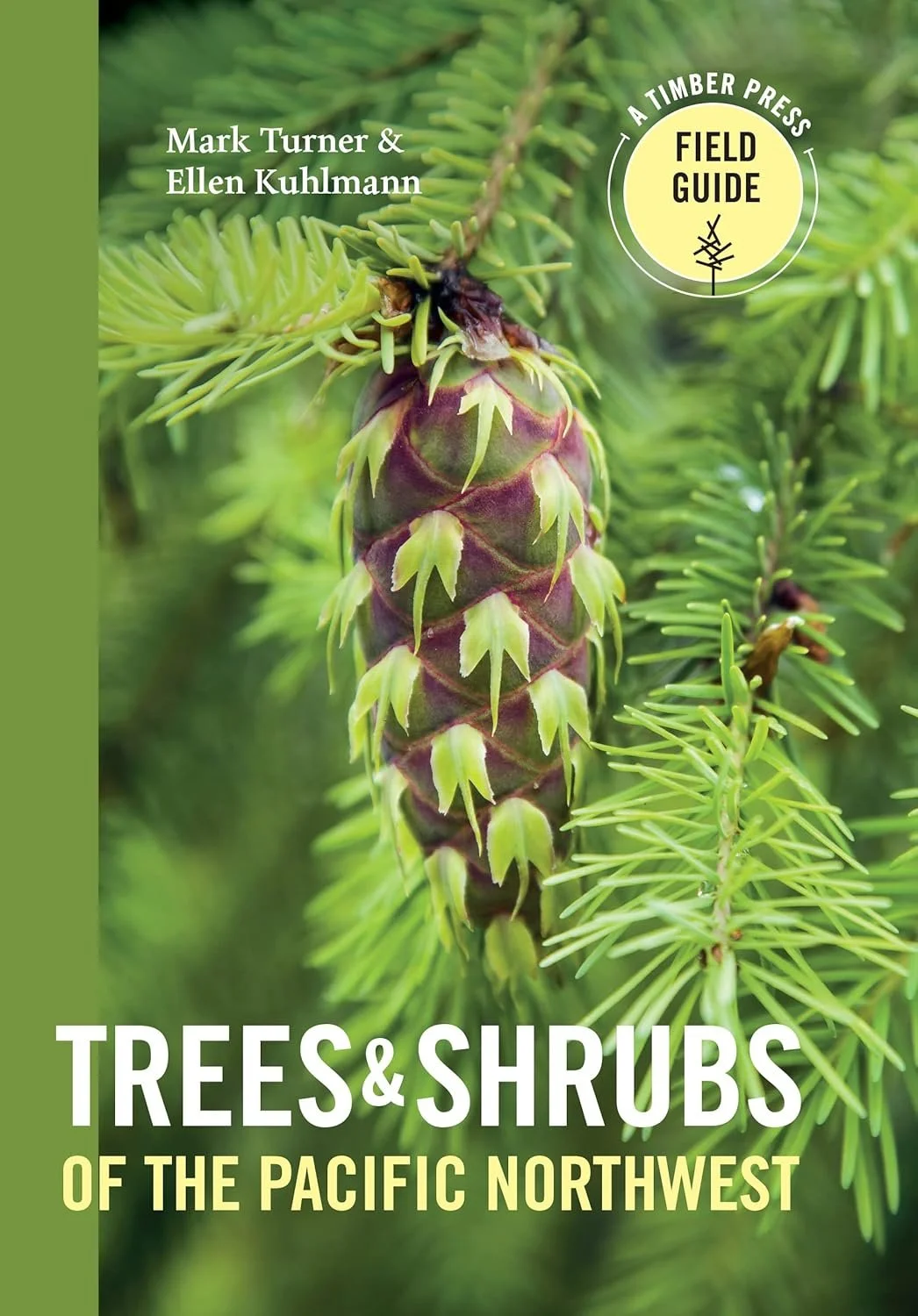
3. Trees and Shrubs of the Pacific Northwest
by Mark Turner & Ellen Kuhlmann
If your main goal is learning to identify trees and woody plants, this is one of the best field guides for the Pacific Northwest.
Published by Timber Press, this guide focuses specifically on the trees and shrubs found throughout Washington, Oregon, and nearby regions. It includes hundreds of species commonly encountered in forests, parks, and natural landscapes across the Pacific Northwest.
Inside you'll find:
• Clear color photographs
• Detailed identification descriptions
• Range maps
• Notes on habitat and key identifying features
The compact flexibound format makes it especially convenient for carrying on hikes, which is why many naturalists and botanists keep it in their daypacks.
If you want a tree-focused Pacific Northwest field guide, this is an excellent addition to your plant identification library.
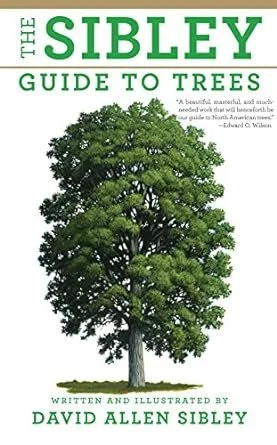
4. The Sibley Guide to Trees
by David Allen Sibley
Trees define many of the ecosystems of the Pacific Northwest, from Douglas-fir forests to mountain hemlock stands.
The Sibley Guide to Trees is one of the best general tree identification books for North America. It covers more than 700 species of trees and large shrubs. Although it is not region-specific, it does a better job of describing how to familiarize yourself with tree structure and patterns.
The guide includes:
Detailed illustrations
Leaf and bark comparisons
Range maps
Seasonal identification tips
If you're learning how to identify trees in Washington or Oregon forests, this book is an excellent companion. It’s also useful to have anywhere you visit in the country as it covers all the trees of North America.
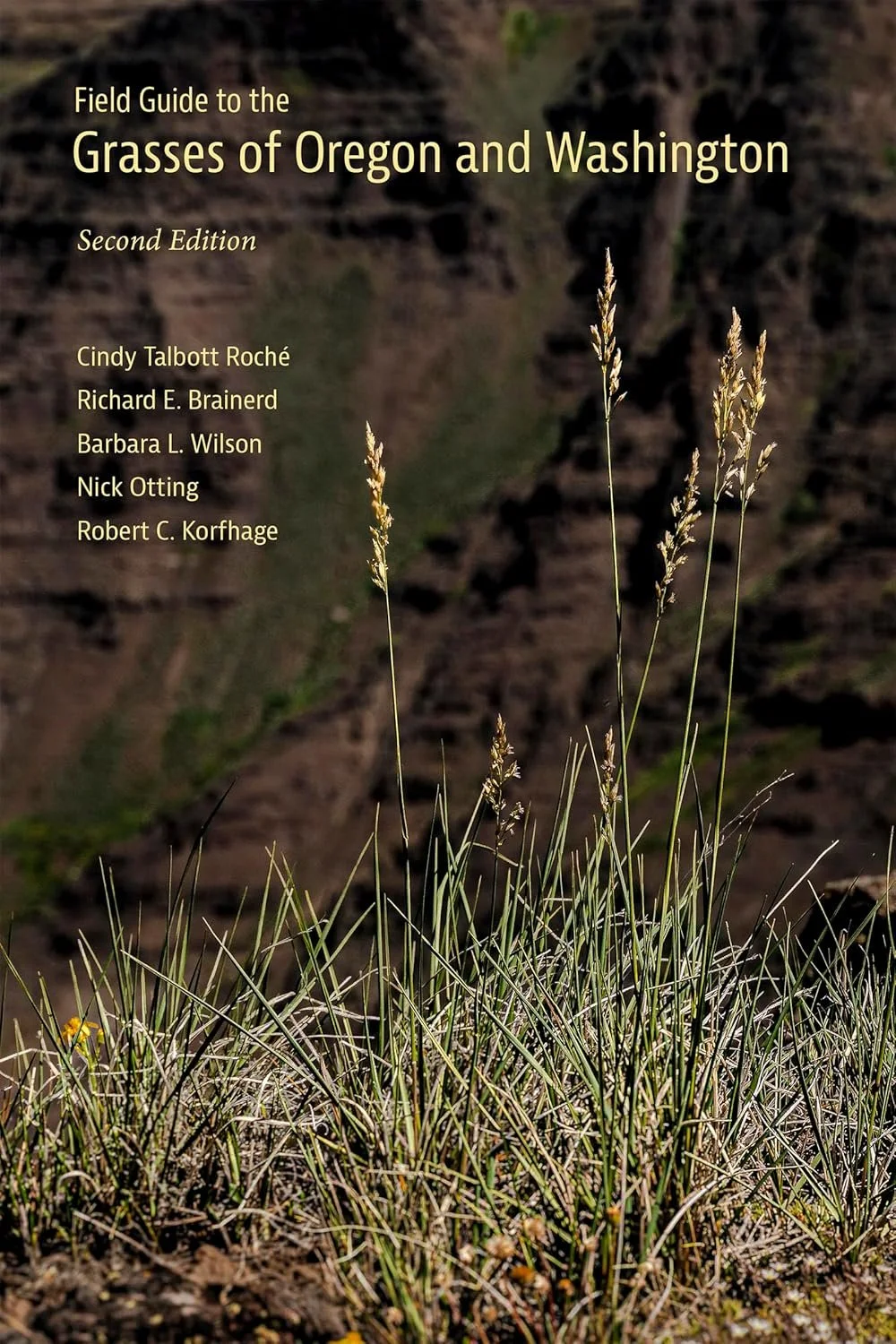
5. Field Guide to the Grasses of Oregon and Washington
by Cindy Talbott Roché et al.
Grasses are often overlooked by beginner botanists, but they are incredibly important components of many ecosystems across the Pacific Northwest.
This detailed guide covers 376 native and introduced grass species found throughout Oregon and Washington.
Inside you'll find:
Detailed botanical descriptions
Identification keys
Precise line drawings
Habitat information
If you're interested in prairies, wetlands, or restoration ecology, this guide opens an entirely new dimension of plant identification.
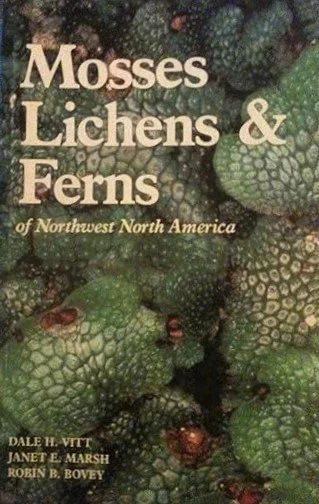
6. Mosses, Lichens, and Ferns of Northwest North America
by Dale H. Vitt, Janet E. Marsh & Robin W. Bovey
The Pacific Northwest is famous for its lush forests, and much of that magic comes from mosses, lichens, and ferns.
This guide covers more than 530 species found throughout Washington, Oregon, and British Columbia.
It includes:
Clear photographs
Identification descriptions
Distribution maps
Ecological notes
If you enjoy looking closely at the forest floor, tree trunks, and damp rock faces, this book reveals an entire hidden world.
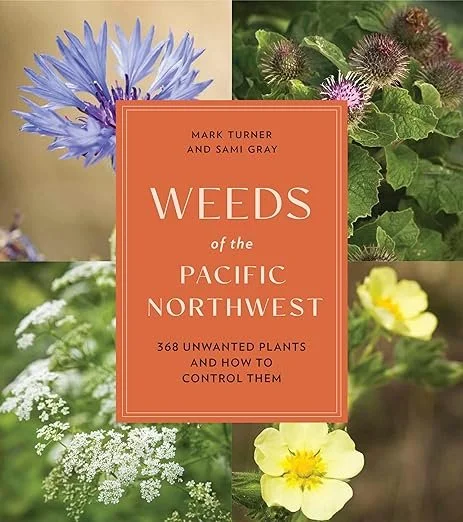
7. Weeds of the Pacific Northwest
by Mark Turner & Sami Gray
Learning to identify invasive plants is just as important as recognizing native species.
This guide covers roughly 140 invasive plant species commonly found throughout the Pacific Northwest.
The book includes:
Clear identification photos
Habitat information
Control strategies
Ecological impacts
For gardeners, land stewards, and restoration practitioners, this guide is incredibly useful.
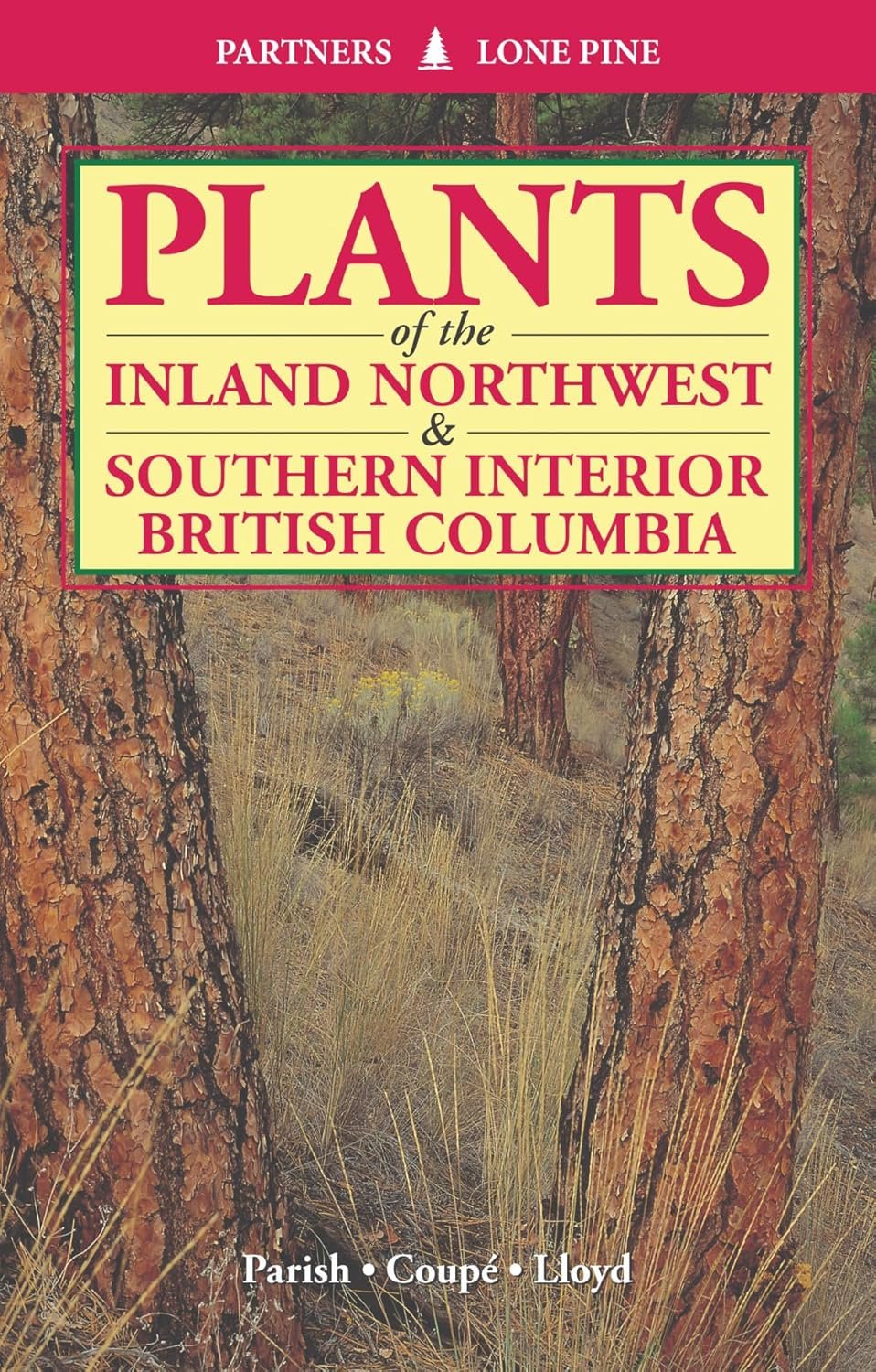
8. Plants of Southern Interior British Columbia & the Inland Northwest
by Joe Antos, George Douglas, Roberta Parish, and others
While many Pacific Northwest field guides focus on coastal ecosystems, this book is invaluable for anyone exploring the interior Northwest.
It covers plants found in:
eastern Washington
interior British Columbia
Idaho
dry forests and mountain ecosystems beyond the coast
The guide includes hundreds of species from grasslands, shrub-steppe habitats, and inland forests. Clear photographs and concise descriptions make it a helpful companion for botanists, hikers, and naturalists exploring the drier landscapes of the inland Pacific Northwest.
If you spend time east of the Cascade Mountains, this guide fills an important gap that coastal-focused field guides often miss. I will admit that this book is hard to find, so good luck to you!
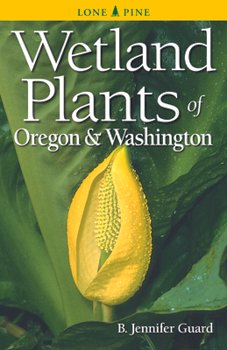
9. Wetland Plants of Oregon & Washington
by B. Jennifer Guard
Wetlands are some of the most biologically rich ecosystems in the Pacific Northwest, yet they are often overlooked by beginner plant enthusiasts.
This guide focuses specifically on plants found in:
marshes
swamps
wet meadows
river edges
coastal estuaries
The book includes clear photographs, detailed descriptions, and identification tools for many species commonly found in Pacific Northwest wetland habitats.
If you enjoy exploring beaver ponds, bogs, and riparian ecosystems, this guide will dramatically expand your ability to identify plants in these unique environments.
This is another book that is difficult to find. Sometimes you can obtain it at a used book store online.
How to Learn Plant Identification Faster
Field guides are powerful tools, but the real learning happens outside.
To improve your plant identification skills:
• Bring a field guide on every hike
• Learn common plant families first
• Revisit the same trails throughout the seasons
• Take photos and compare them later
• Explore multiple habitats (wetlands, forests, alpine areas)
Over time, plants become familiar neighbors rather than anonymous greenery.
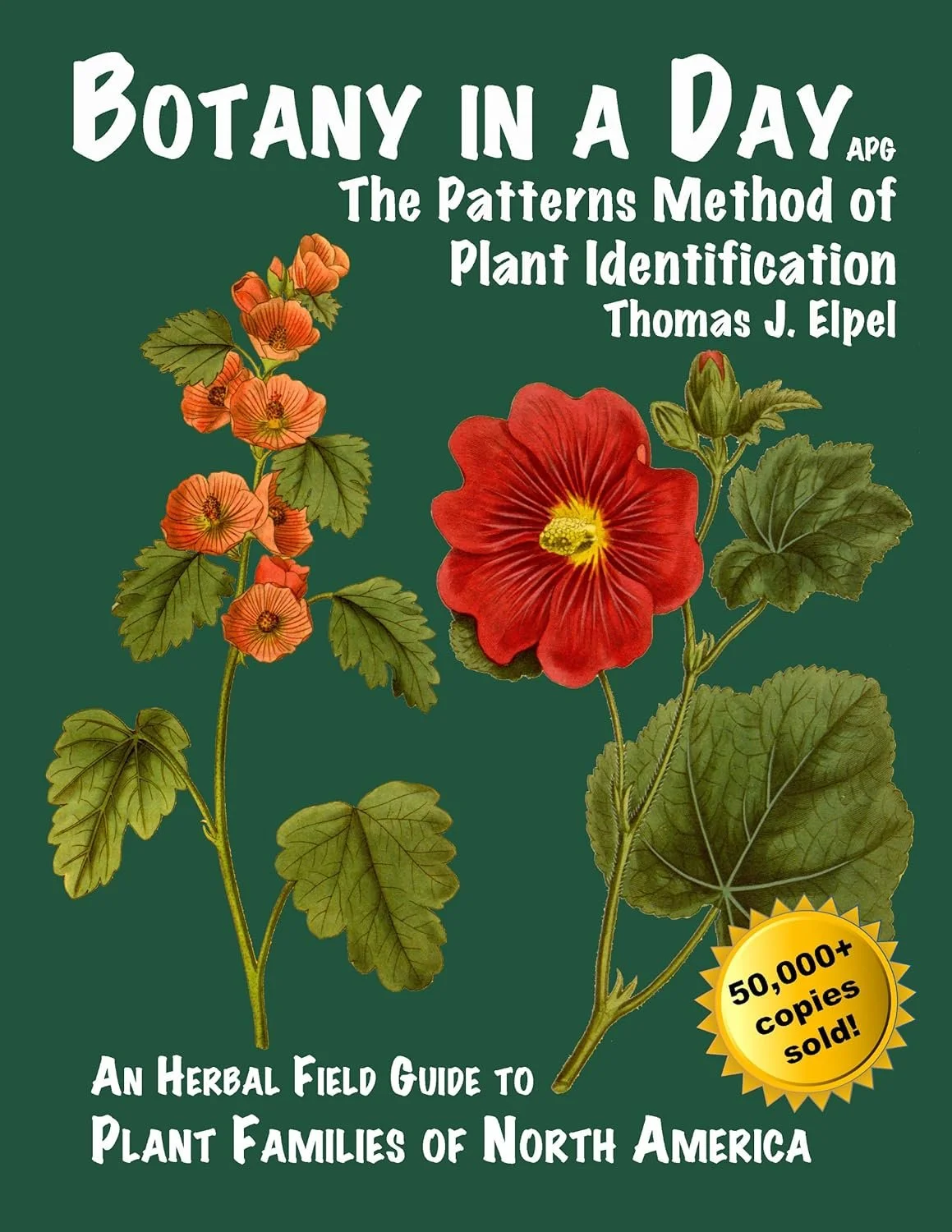
10. Botany in a Day
by Thomas J. Elpel
While this book isn’t specific to the Pacific Northwest, it’s one of the best introductions to how plant identification actually works.
Rather than memorizing species, Elpel teaches readers how to recognize plant families and structural patterns, including:
Leaf shapes
Flower structures
Growth habits
Once you understand these patterns, identifying plants becomes dramatically easier anywhere in North America.
Many naturalists and botanists consider this book a foundational introduction to botany.
Before you go
The Pacific Northwest is one of the most botanically rich regions in North America. With the right plant identification guides, every walk becomes an opportunity to discover something new.
Whether you're learning your first wildflowers or studying forest ecology, these books will help you develop a deeper relationship with the landscapes of Washington, Oregon, and beyond.
And if you want to learn more about native plants, herbal medicine, foraging, and basically all things nature, consider checking out my Instagram page @Plantsleyy or reading some of my Substack blogs about foraging and regenerative human ecology.
This article does include Amazon affiliate links, which give me a small commission at no cost to you. Your purchase through my website helps support my work. Other amazing alternatives would be to purchase from an independent bookstore or borrow from your local library. Many of these books can also be found at Powell’s Books in Portland and online.